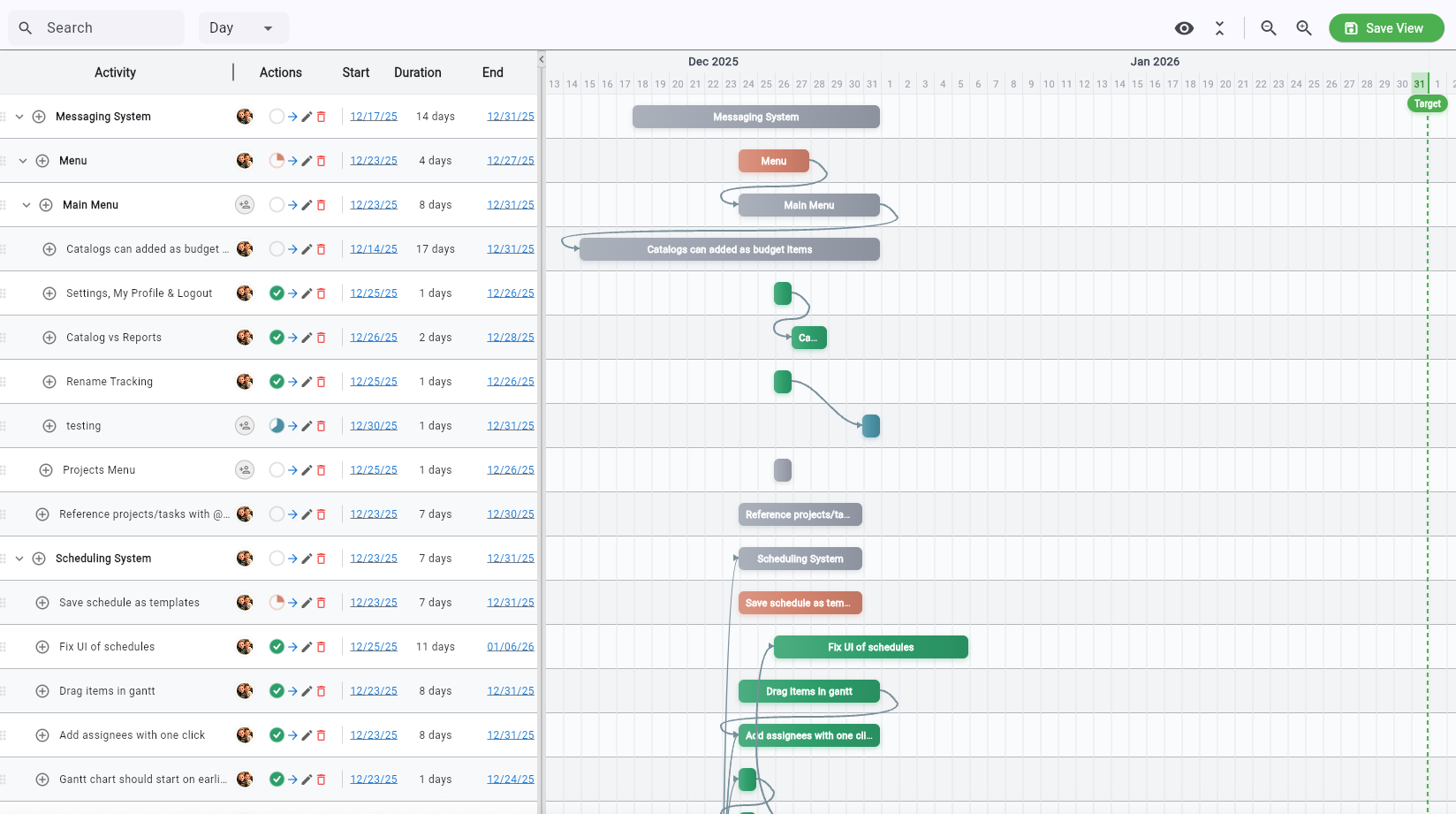
If your team is growing but still relies on ad hoc texts and calls, this template creates enough structure without slowing anyone down.
Core principle
Capture decisions once, in one place, at the moment they are made.
When updates live across chat threads and memory, the office and field drift apart fast.
Daily structure
1. Morning dispatch (10 minutes)
- Confirm today's jobs, leads, and addresses
- Confirm material status
- Confirm first customer arrival windows
2. Midday checkpoint (5 minutes)
- Mark jobs as on-track, at-risk, or blocked
- Reassign overflow work where needed
- Send proactive customer updates for at-risk jobs
3. End-of-day closeout (10 minutes)
- Log completed milestones
- Log unresolved blockers
- Queue tomorrow's first three priorities
Required job record fields
Keep the job card lightweight but complete:
- Scope summary
- Scheduled date and arrival window
- Assigned lead and crew
- Materials status
- Photos before/after
- Change requests and approvals
Required team habits
- No verbal-only scope changes
- No unassigned jobs on the board after dispatch
- Every blocked job must include a blocker reason
These habits prevent profitable jobs from turning into margin leaks.
Weekly management review
Every Friday, review:
- Jobs completed vs. scheduled
- Average delay causes
- Top three communication breakdowns
Use this data to adjust estimating assumptions and staffing.
Sample field note format
Job: Maple Ave kitchen remodel
Status: At-risk
Blocker: Awaiting permit inspection (expected Monday)
Needed: Re-sequence crew assignment for Friday
Customer update sent: Yes
Implementation tip
Start with one crew for two weeks, then roll out team-wide after the process is stable.
If you need a scheduling-first rollout, start here: The 7-Day Jobsite Scheduling Reset for Growing Crews.